
Views: 0 Author: Site Editor Publish Time: 2026-01-13 Origin: Site
A fluid cooler is a critical component in many commercial and high-end residential HVAC systems. For villa and hotel developments—particularly in regions with significant seasonal temperature variation such as Quebec, Canada—a fluid cooler provides an efficient and reliable method to reject heat from chilled water or process loops to the ambient air. Proper selection and integration of a fluid cooler help ensure occupant comfort, energy efficiency, and long-term operational performance.
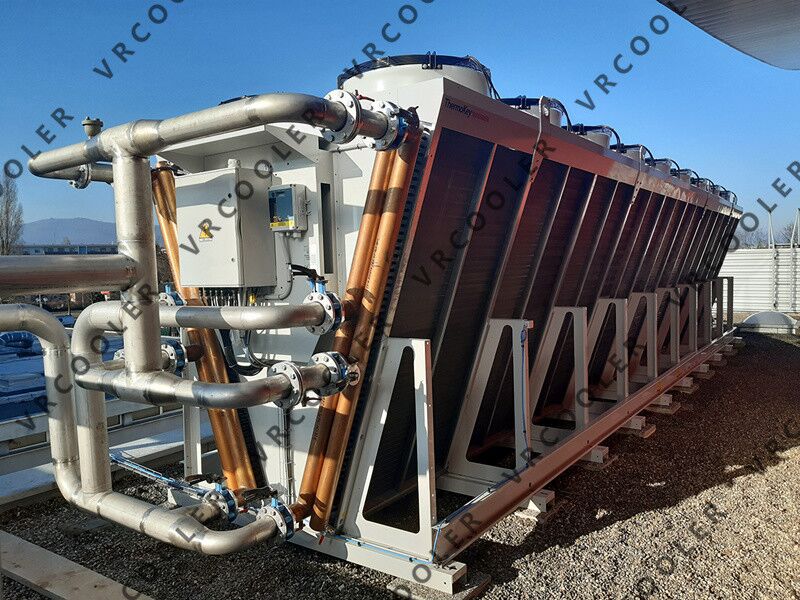
A fluid cooler is an air-cooled heat rejection device that transfers thermal energy from a circulating liquid (typically water or a glycol mixture) to outdoor air. Unlike traditional cooling towers, fluid coolers use closed-loop heat exchangers (coil bundles) that keep the process fluid separate from the external air. This arrangement minimizes water consumption, reduces maintenance, and eliminates drift and plume.
Fluid coolers are widely used in:
Chilled water systems
Glycol loops for colder climates
Industrial process cooling
Heat pump systems
Quebec’s climate is characterized by cold winters and warm, humid summers. Mechanical systems for villas and hotels must accommodate wide temperature swings—from below −20°C in winter to above 25°C in summer—while maintaining comfort and efficiency year-round.
Key climate considerations for fluid cooler use in Quebec include:
Freeze Protection: In sub-zero conditions, systems require glycol or other antifreeze solutions to protect heat exchange coils and pumps.
Seasonal Performance: During shoulder seasons (spring/fall), fluid coolers can provide “free cooling” by rejecting heat directly to ambient air without running chillers.
Humidity Management: Hotel environments often generate high latent loads; fluid coolers integrated with properly sized chillers support dehumidification strategies.
In medium to large villas or boutique hotels, a central chilled water plant may use one or more fluid coolers to reject heat from:
Air handling unit (AHU) coils
Fan coil units
Heat pump systems
Fluid coolers often complement or replace traditional cooling towers, particularly where water use and maintenance are concerns.
In designs utilizing water-to-water heat pumps or VRF with hydronic interfaces, fluid coolers serve as the outdoor reject mechanism for heat extracted from interior spaces.
For hotels with variable occupancy, staged fluid coolers enable modular heat rejection capacity. Multiple units can be sequenced to match load, improving efficiency and reducing operating costs.
Closed-Loop Design
Minimizes risk of contamination, scale, and biological growth; important in hospitality settings where water quality and reliability are priorities.
Reduced Water Consumption
No evaporation-based cooling tower operation means lower potable water use—an environmental and cost advantage in Quebec’s regulatory context.
Lower Maintenance Requirements
Closed fluid coolers require less frequent cleaning and treatment than open towers, reducing service labor and lifecycle cost.
Adaptability to Glycol Systems
In cold climates, circuits can be filled with appropriate glycol concentrations to prevent freeze damage without compromising heat transfer performance.
When engineers and design teams specify a fluid cooler for a Quebec villa or hotel project, they should evaluate:
Estimate total sensible and latent cooling requirements, accounting for peak occupancy and climate data (ASHRAE design conditions for Montreal/Quebec City region).
Select a unit with performance charts that accommodate both summer design temperature and winter cold weather operations.
Determine suitable glycol types and concentrations based on expected minimum ambient temperatures. Ensure heat exchanger materials are compatible.
Incorporate:
Variable fan speed drives for quieter operation and energy savings
Staging logic tied to chilled water supply temperature
Integration with building automation system (BAS) for optimized performance
For villa and high-end hotel sites, locate fluid coolers to minimize noise impact on guest rooms and integrate architectural screening where needed.
A typical configuration for a Quebec hotel may include:
Chillers sized for peak summer load
Fluid coolers sized to handle full or partial heat rejection
Plate-and-frame heat exchangers to hydraulically separate chiller and building loops
Glycol circuits for freeze protection
During moderate ambient conditions, fluid coolers can operate with minimal chiller usage, reducing electrical demand and operational costs.
For villa and hotel projects in Quebec, fluid coolers represent a highly effective, low-maintenance, and water-efficient solution for heat rejection in HVAC systems. When engineered correctly—accounting for climate, load profiles, and system integration—fluid coolers enhance comfort, support sustainability goals, and deliver long-term operational value.

