
Views: 0 Author: Site Editor Publish Time: 2026-01-14 Origin: Site
Rear Door Water-Cooled Heat Exchangers (RDHx) are particularly well suited for use with free cooling systems, and this is one of their key advantages in modern, energy-efficient data centers.
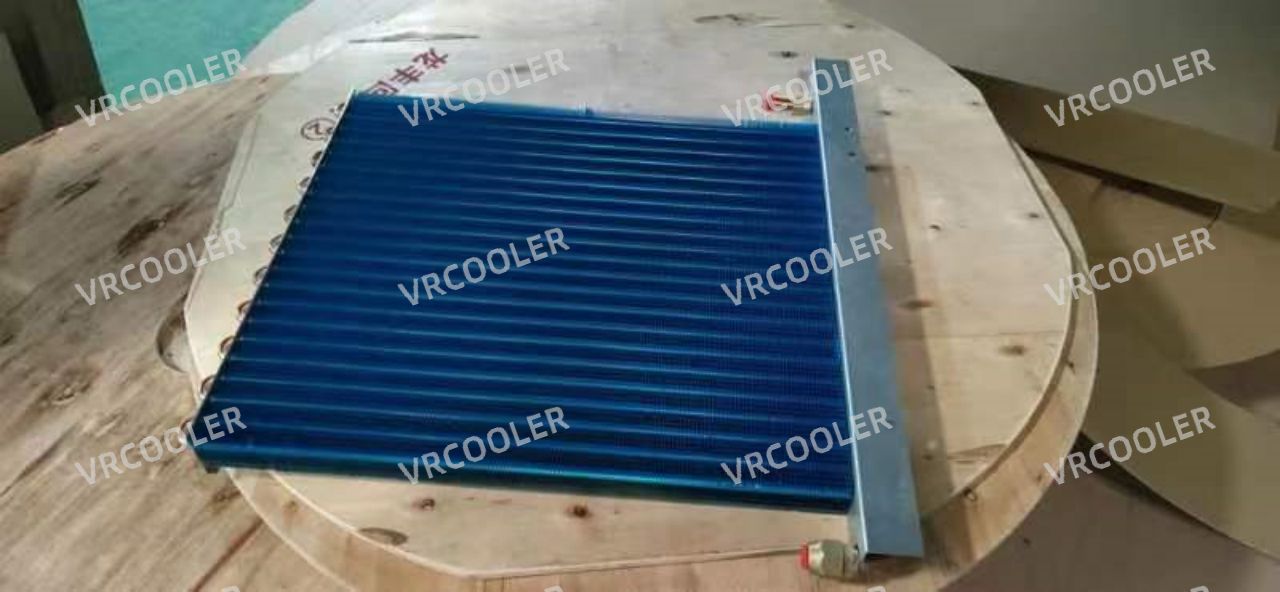
RDHx transfers heat from server exhaust air directly to a water loop. When this water loop is connected to a free cooling source, mechanical refrigeration can be reduced or completely eliminated during suitable ambient conditions.
Typical free cooling sources include:
Dry coolers
Adiabatic dry coolers
Cooling towers
Hybrid air-water heat rejection systems
As long as the water temperature supplied to the RDHx is below the server exhaust air temperature, effective heat removal is achieved.
RDHx systems can operate with:
Chilled water: 7–18 °C
Warm water / free cooling water: 18–35 °C (or higher, depending on design)
This wide operating range allows data centers to maximize free cooling hours throughout the year.
Using RDHx with free cooling systems delivers several measurable benefits:
Significant reduction in chiller runtime
Lower overall energy consumption
Improved Power Usage Effectiveness (PUE)
Compatibility with high supply air temperature strategies
Common configurations include:
RDHx + dry cooler for full free cooling in cool climates
RDHx + adiabatic cooler for extended free cooling in warmer climates
RDHx + cooling tower with plate heat exchanger separation
A buffer tank and variable-speed pumps are often used to stabilize water temperatures and flow.
When integrating RDHx with free cooling, attention should be given to:
Water flow rate and pressure drop across the rear door coil
Ambient design temperature and climate conditions
Control strategy for bypass or partial mechanical cooling
Water quality and corrosion protection
High-density server racks (30–80 kW per rack)
AI and HPC data centers
Retrofit projects aiming to reduce cooling energy
Facilities targeting low-carbon or carbon-neutral operation
Rear Door Water-Cooled Heat Exchangers are fully compatible with free cooling systems and are often selected specifically to enable or maximize free cooling operation. When properly engineered, they can deliver high rack-level cooling performance while substantially reducing operating costs and environmental impact.

