
Views: 0 Author: Site Editor Publish Time: 2026-01-23 Origin: Site
A hydrogen cooler in a steam turbine generator is a water-to-hydrogen heat exchanger used to remove heat from the hydrogen gas circulating inside a hydrogen-cooled generator.
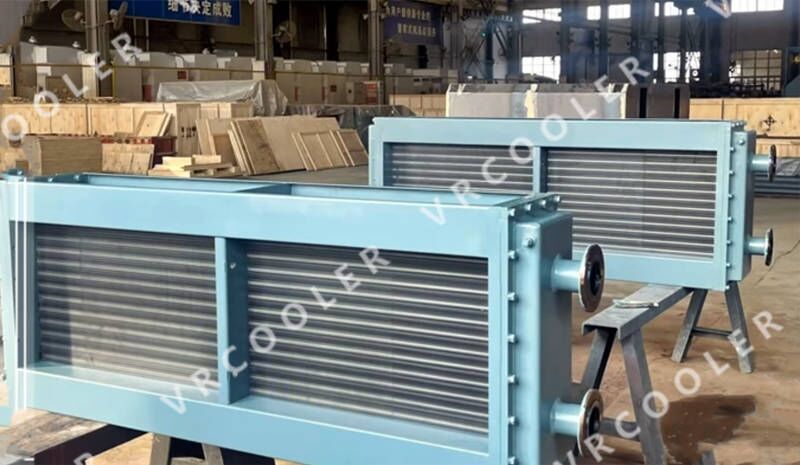
In large steam turbine generators, hydrogen gas is used as the internal cooling medium. As the generator operates, hydrogen absorbs heat from the rotor, stator windings, and core. The hydrogen cooler transfers this heat to cooling water, keeping the generator within safe operating temperatures.
Hot hydrogen gas flows over the outside of finned or bare tubes
Cooling water flows inside the tubes
Heat is transferred from hydrogen to water
The cooled hydrogen is recirculated back into the generator
The hydrogen circuit and water circuit are completely separated.
The hydrogen cooler:
Maintains stable generator temperature
Enables higher power output and efficiency
Reduces windage losses compared with air cooling
Extends the life of insulation, bearings, and generator components
Improves overall reliability of the steam turbine generator
Hydrogen coolers are usually:
Finned tube or shell-and-tube heat exchangers
Installed inside the generator casing or in dedicated cooler compartments
Designed for high safety standards to prevent hydrogen leakage
In summary, a hydrogen cooler is a critical component that allows large steam turbine generators to operate efficiently and safely using hydrogen as the cooling medium.

