
Views: 0 Author: Site Editor Publish Time: 2026-04-09 Origin: Site
To maintain a grain cooling unit, the main goal is to keep the airflow, refrigeration system, and controls working properly so the unit can deliver stable cooled air during storage.
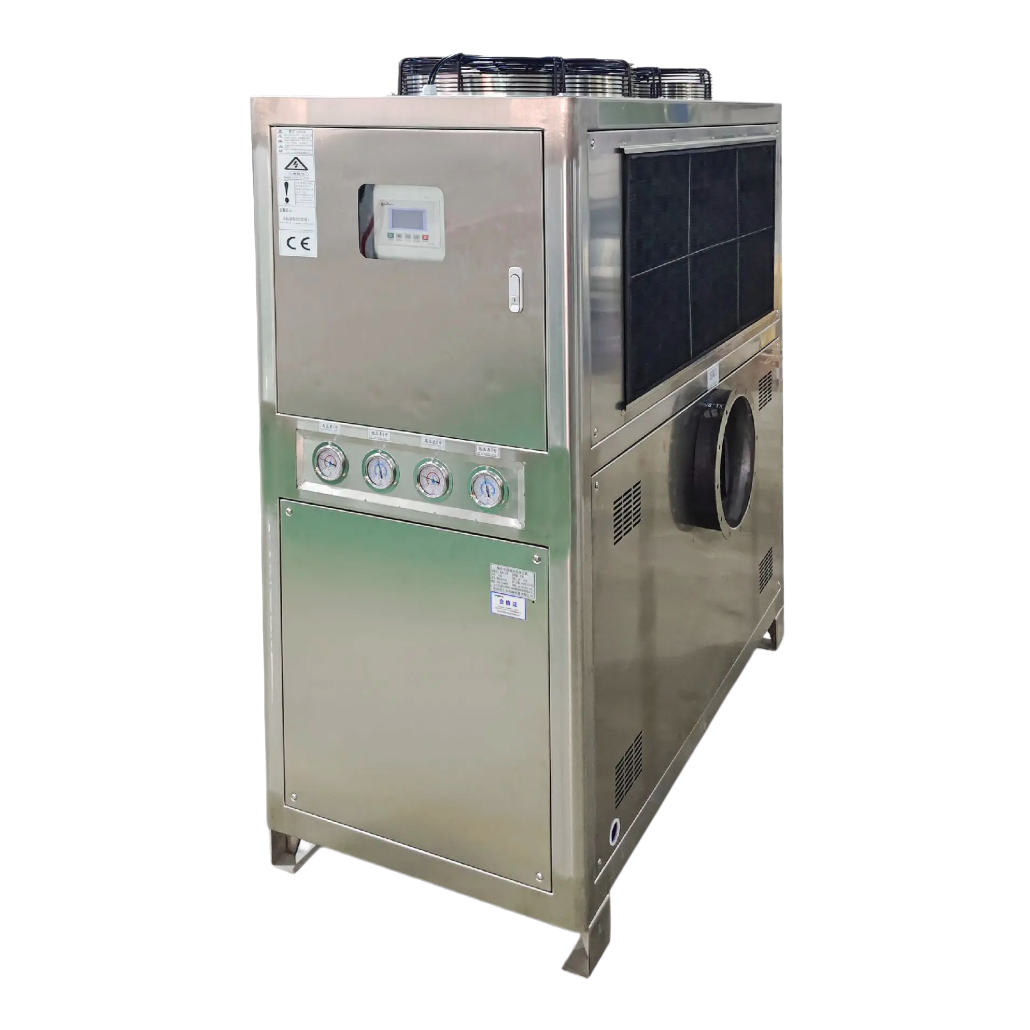
1. Clean or replace air filters
Dirty filters reduce airflow and lower cooling performance. Filters should be checked regularly and cleaned or replaced as needed.
2. Inspect the evaporator and condenser coils
Dust and dirt on the coil surface reduce heat transfer. Keep the coils clean to maintain good cooling efficiency.
3. Check fans and motors
Inspect blower fans, fan motors, belts, and bearings if fitted. Poor fan performance can reduce air delivery through the grain.
4. Verify airflow path
Make sure ducts, air outlets, and intake passages are not blocked. Good airflow is essential for even grain cooling.
5. Inspect the refrigeration system
Check for refrigerant leakage, unusual pressure, abnormal noise, or poor cooling performance. The compressor and refrigeration circuit should operate normally.
6. Check electrical connections and controls
Inspect the control panel, sensors, wiring, switches, and safety devices to make sure the system responds correctly.
7. Monitor temperature performance
Compare the supply air temperature and grain temperature trend to confirm the unit is cooling effectively.
8. Clean the unit housing and internal sections
Remove dust, grain particles, and debris from the unit to reduce fouling and improve reliability.
9. Inspect drainage if applicable
If the system has condensate drainage, make sure the drain is clear and working properly.
10. Perform seasonal inspection before heavy use
Before the grain storage season, carry out a full inspection of the cooling unit, including refrigeration, fan system, electrical parts, and airflow components.
Good maintenance helps:
keep cooling performance stable
reduce breakdown risk
improve storage safety
lower energy consumption
extend equipment life
In simple terms, maintaining a grain cooling unit means keeping it clean, well ventilated, mechanically sound, and properly controlled so it can protect grain quality during storage.

